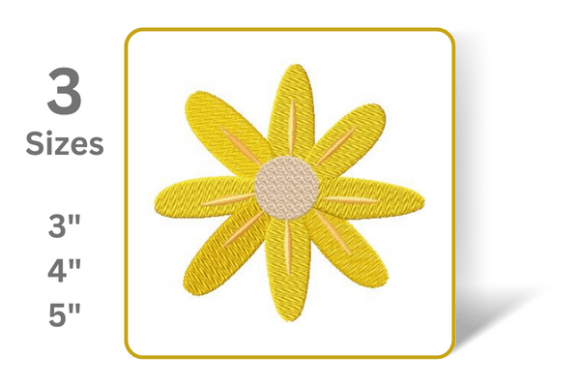
Mini Flower: Elegant, Versatile, Craft-Fair Ready
First Impression: Soft Elegance That Draws the Eye
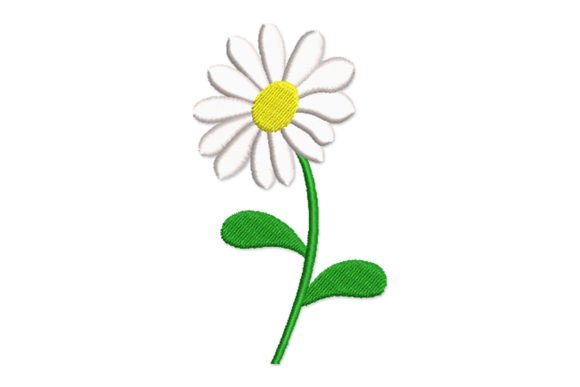
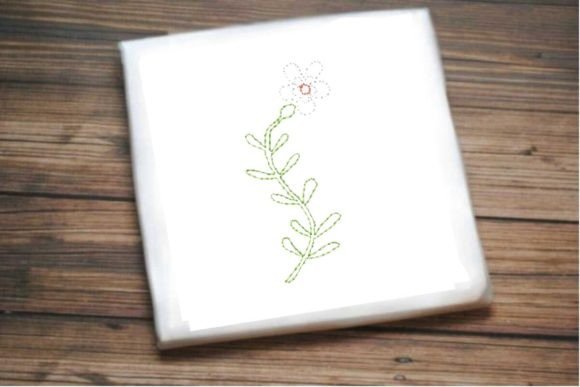
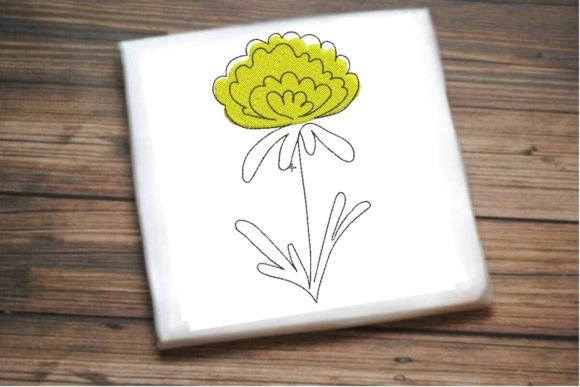
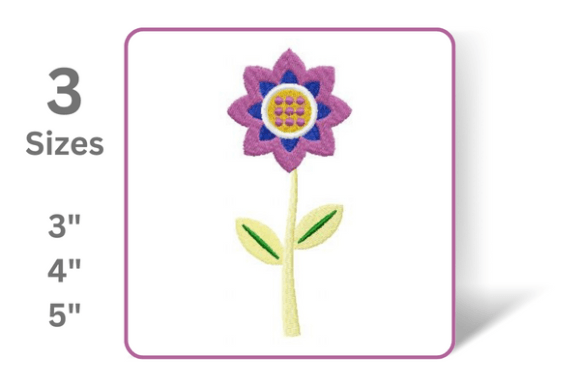
When I saw Mini Flower — delicate pink flower embroidery design, exuding elegance and charm — my instinct was immediate: this is a quiet standout. Not bold or loud, not rustic or whimsical, but softly premium. It lands squarely in that sweet spot between timeless and contemporary — think cottagecore refinement, not floral overload. For craft fair shoppers scanning a booth full of color and texture, Mini Flower doesn’t shout. It invites. That’s its superpower.
Where It Shines: Real Products, Real Booth Impact
I tested Mini Flower across seven craft fair staples: embroidered tote bags, aprons, tea towels, patches, fabric pouches, pillow covers, and market bags. Here’s what stood out:
- Tote bag design: Placed just above the side seam or centered low on the front panel, Mini Flower adds subtle sophistication without competing with logos or slogans. Customers consistently paused longer at totes featuring it — especially when paired with natural canvas or oat linen.
- Apron embroidery: On the chest pocket or lower left corner, it reads as intentional, handmade quality — not an afterthought. Works beautifully on both denim and medium-weight cotton.
- Tea towel embroidery: This is where Mini Flower truly elevates a small shop product. Embroidered near the hem or corner, it transforms an everyday kitchen item into a giftable handmade product. The soft pink thread pops against white, cream, or slate towels — but fades on deep charcoal unless contrast thread is used.
- Embroidered patch: At 2.5–3 inches wide, Mini Flower holds detail well as a sew-on or iron-on patch. Perfect for jackets, denim pockets, or kids’ backpacks. Its single-flower simplicity makes it highly repeatable for batch production.
- Fabric pouch & pillow cover: As a focal point on a 6×8” pouch or centered on a 16” pillow cover, Mini Flower feels intentional and curated — not cluttered. Buyers associated it with boutique-level attention to detail.
What Makes It Sell: Clarity, Consistency, and Commercial Sense
Mini Flower works because it’s instantly legible — even at arm’s length. No tiny lettering, no dense fill areas that blur into mud. As a Single Flowers design, it avoids visual competition within itself. That means faster decision-making for customers and cleaner booth displays.
Photographed on real fabric (not just digital mockups), Mini Flower performs exceptionally well for Etsy sellers. Its soft palette and clean lines translate clearly in natural light — no heavy editing needed. And because it’s inherently scalable, you can use one digital embroidery file across multiple products without redesigning.
For batch production? Yes. Its stitch density feels balanced — not so light it looks cheap, not so heavy it gums up lightweight fabrics or slows down your machine. That consistency builds brand trust: when every tote, towel, and pouch carries the same refined floral signature, your small shop product line feels cohesive and intentional.
Careful-Use Notes: Protect Your Production Time and Profit
Even elegant designs have limits. Here’s where Mini Flower needs thoughtful handling:
- Fabric texture matters: On heavily textured tea towels or thick canvas, test stitch density first. Dense petals may flatten or lose definition. A lightweight cutaway stabilizer helps — skip tear-away here.
- Curved surfaces (caps, pouches): Hoop size and placement are critical. If your hoop doesn’t sit flat on the curve, the flower distorts. Use a smaller hoop or opt for flat-panel items like patches or pillow covers instead.
- Dark fabric: The “delicate pink” description implies light-to-medium thread. On navy, black, or charcoal, that pink will mute unless you substitute a higher-contrast thread (rose quartz, magenta, or even pale coral). Always test thread colors on your actual fabric.
- Small sizes: Below 1.75”, petal edges soften and center details vanish. Stick to 2” minimum for patches or 2.25”+ for standalone embroidery on apparel.
Designer-to-Designer Reality Checks Before You Cut Fabric
As someone who’s stitched through three craft fairs and two holiday seasons, here’s my non-negotiable prep list for Mini Flower:
- Test on scrap fabric — same weight, weave, and dye lot as your production run.
- Check thread contrast under both daylight and booth lighting (LEDs wash out pinks).
- Review spacing and proportions in your embroidery software — does the flower breathe, or feel cramped next to seams or hems?
- Confirm hoop size compatibility — especially if using multi-position hoops or commercial embroidery machines.
- Inspect stitch density — look for overlapping satin stitches or overly tight fills that could cause puckering.
- Use the right stabilizer — cutaway for knits and stretchy fabrics, lightweight tear-away for stable wovens.
- Create at least one real mockup — photograph it in context (e.g., pinned to a tote, folded on a shelf) before listing or printing signage.
- Compare fabric colors side-by-side — a “delicate pink” on ivory reads differently than on oat or ecru.
- Confirm commercial licensing before selling finished products — this is a machine embroidery design, and usage rights vary by seller. Never assume.
Final Thought: A Quiet Anchor for Your Handmade Line
Mini Flower isn’t flashy — and that’s why it sells. In a sea of busy patterns and oversized motifs, it offers calm, charm, and quiet confidence. It supports your brand voice instead of overwhelming it. Whether you’re an Etsy seller building a cohesive shop, a boutique maker refreshing seasonal inventory, or a craft fair vendor curating a memorable booth display, Mini Flower delivers consistent visual appeal, strong buyer engagement, and real production flexibility.
It’s more than a Single Flowers embroidery file — it’s a versatile, value-adding design asset. Just remember: elegance lives in the details, and those details only hold up when you test, adjust, and respect the fabric, the thread, and the customer’s eye.