Chrysanthemum Single Line Flower
A Quiet Statement, Not a Shout
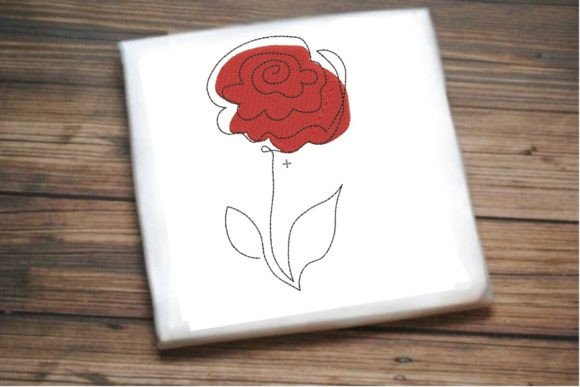
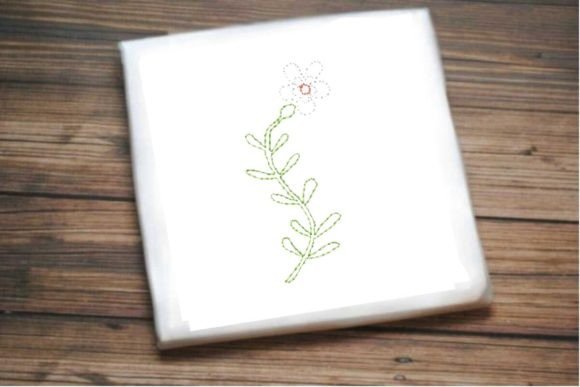
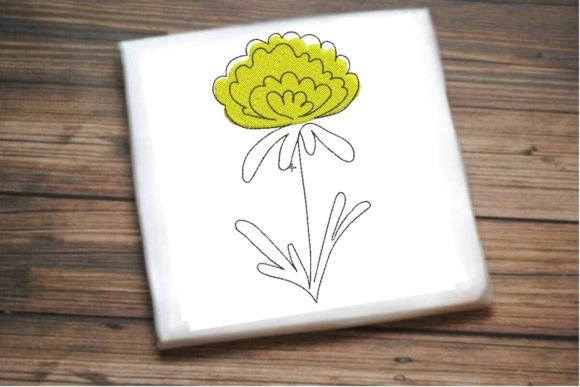
First impression? This isn’t a bold, layered chrysanthemum meant for center-stage hoop drama. The Chrysanthemum Single Line Flower is a breath of calm—clean, uncluttered, and quietly confident. It’s drawn with one continuous, fluid line: no fill stitches, no satin borders, no dense inner petals. Just the essential silhouette of the bloom, looping and curling with botanical grace. It feels like sketchbook elegance translated to thread—not fussy, not fragile, but unmistakably intentional. That simplicity makes it instantly adaptable: think minimalist tote bag front, subtle sleeve detail on a linen shirt, or a delicate accent on a baby onesie collar.
Where It Lives Well (and Where It Doesn’t)
I tested the Chrysanthemum Single Line Flower across three real projects: a heavyweight cotton canvas tote, a midweight organic cotton sweatshirt, and a lightweight tea towel. On the tote? Perfect. The single-line motif held crisp definition without pulling or distortion—even at 3.5 inches wide. On the sweatshirt? Slightly trickier. The fabric’s slight nap softened the line’s edge just enough that I added a light tear-away stabilizer underneath and used a sharp 75/11 needle. Result? Still legible, still graceful—but not quite as razor-sharp as on smoother surfaces. On the tea towel? A gentle reminder: thin, loosely woven fabrics need extra care. Without proper cutaway stabilizer, the line blurred slightly where the towel shifted under the hoop. So yes—it works on soft goods, but only when you respect the fabric’s behavior.
This design shines brightest on flat, stable surfaces: pillow covers, aprons, cap visors (if hooped carefully), and nursery wall hangings. It’s ideal for embroidered patch backing—its open shape lets the base fabric peek through, adding subtle texture. But avoid cramming it into tiny hoops (<4” diameter) unless you’re scaling down thoughtfully; fine loops lose clarity below ~2 inches. And skip stretchy knits entirely—no stabilizer can fully compensate for that kind of movement with a single continuous line.
What It Adds to Your Handmade Product (and What It Doesn’t)
The Chrysanthemum Single Line Flower doesn’t scream “look at me.” Instead, it whispers “thoughtful,” “refined,” “handmade with care.” That quiet confidence elevates perceived value—especially for boutique products, wedding guest towels, or personalized baby gifts. Customers notice the restraint. They feel the intention behind choosing simplicity over busyness. For an Etsy seller, that translates to stronger brand consistency and repeat buyers who trust your aesthetic judgment.
But let’s be real: it won’t carry visual weight on dark, textured fabric without contrast testing. I ran a quick black-and-white mockup before stitching on navy chambray—and realized my ecru thread vanished. Switching to charcoal gray gave it presence without breaking the minimalist mood. Likewise, this isn’t a design that masks flaws. If your hoop tension is off or your thread quality inconsistent, the single line will expose it. That’s not a flaw in the machine embroidery design; it’s a feature. It rewards precision and honesty in execution.
Practical Notes Every Designer Should Check
- Test first—always—on scrap fabric matching your final project’s weight and stretch.
- Review stitch density: since it’s a single line, density isn’t high—but confirm there are no unintended double-stitched segments in the file.
- Confirm hoop size compatibility: if your machine requires auto-trimming or has tight hoop clearance, ensure the design fits comfortably within your standard hoop dimensions.
- Inspect small details: zoom in on digital previews—do the inner loops connect cleanly? Is the start/stop point placed logically?
- Try it in grayscale mockups: see how it reads against both light and dark backgrounds before committing thread.
- Use appropriate stabilizer: cutaway for knits or wovens that fray; tear-away for stable cottons; water-soluble for delicate top layers.
- Verify licensing: if you plan to sell finished items or bundle the digital embroidery file with your craft business offerings, check whether commercial use is explicitly permitted.
Why It Fits Real Craft Business Needs
As someone who’s designed for Etsy shops, local boutiques, and custom apparel clients, I appreciate how efficiently the Chrysanthemum Single Line Flower supports multiple revenue streams. It’s small enough to stitch quickly (great for made-to-order turnaround), clean enough to pair with monogram initials or short phrases, and distinctive enough to become a signature element—think branded kitchen towels for a small food brand or subtle lapel accents on handmade aprons. It also scales beautifully for printable mockups: place it on a neutral product photo, and it reads as premium, not generic.
For holiday embroidery or wedding gifts, it avoids seasonal cliché while still feeling celebratory—especially when stitched in ivory on oatmeal linen or sage green on cream cotton. And because it’s part of the Single Flowers category, it pairs seamlessly with other minimalist botanicals (a single fern, a lone lavender sprig) to build cohesive design assets without visual fatigue.
Final Thought: Simplicity With Substance
The Chrysanthemum Single Line Flower isn’t about doing less—it’s about choosing what matters. In a market flooded with overworked floral motifs, this design stands out by trusting the viewer’s eye and the maker’s hand. It asks for attention to detail, not complexity. Use it where quiet confidence matters most: on heirloom baby blankets, artisanal tea towels, slow-fashion apparel, or any handmade product meant to be noticed—not for its noise, but for its clarity. Just remember: its elegance depends on your intentionality. Test. Stabilize. Contrast-check. Then let that single line speak for itself.