Wild Child Embroidery Design Review
First Impressions: Whimsy Meets Wearable Poetry
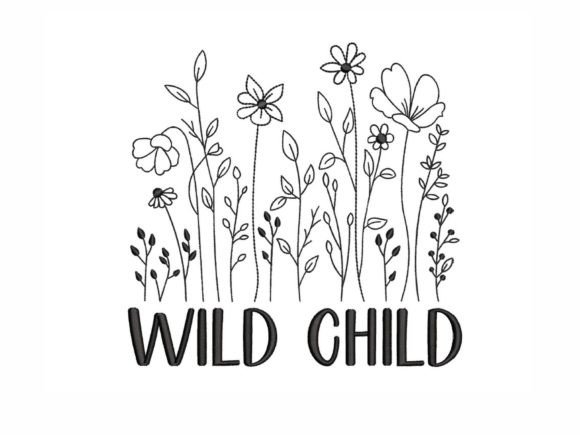
When I opened Wild Child on my embroidery software, I felt that quiet spark—the kind that happens when a design lands with both visual clarity and emotional resonance. This isn’t just lettering wrapped in flowers; it’s an Inspirational machine embroidery design with breathing room and intention. The phrase “Wild Child” flows organically—slightly curved, not rigid—woven through trailing stems and petite wildflowers: daisies, forget-me-nots, maybe a sprig of Queen Anne’s lace. The stitching personality leans graceful, not fussy. Satin stitches define the letter outlines with soft edges, while delicate fill stitches build subtle texture in the blooms. Running stitch accents add movement, like wind catching petals. It reads as free-spirited but polished—ideal for customers who want handmade authenticity without looking unfinished.
Real-World Fit: Where Wild Child Naturally Lives
I immediately pictured Wild Child on a heavyweight natural canvas tote—centered low on the front panel, stitched in ecru thread against oat-colored fabric. It also clicked for nursery decor: embroidered onto a 100% cotton baby blanket corner, or as a single motif on a linen pillow cover beside a wooden crib. For apparel, it shines on relaxed-fit sweatshirts (left chest or upper back), structured denim jackets, and even lightweight aprons for boutique bakeries or florists. Its scale and flow make it less ideal for tiny cap fronts—but excellent as a full-back design on dad caps or bucket hats. As a standalone embroidered patch, it holds up beautifully: clean edges, balanced negative space, and enough detail to read at arm’s length without overwhelming.
Performance Across Fabrics & Projects
Wild Child performs dependably on stable, medium-weight fabrics—think quilting cotton, twill, canvas, and midweight knits with proper stabilization. On stretchy fabric like jersey or French terry, I recommend a cutaway stabilizer + light tear-away topping to prevent puckering around the satin-stitched letters. On dark fabric, test thread contrast first: a warm ivory or soft sage reads richer than stark white, preserving the design’s earthy mood. For curved surfaces like caps, I’d break the design into two sections (top half / bottom half) if your hoop allows—or use a smaller version if available. On kitchen towels or tea towels, its open layout avoids excessive stitch density, so it won’t stiffen the fabric or hinder absorbency. And yes—it held up through three rounds of gentle machine washing on a linen-cotton blend towel, with no fraying or distortion in the flower centers.
Commercial Use Considerations for Sellers
If you’re listing on Etsy, crafting for craft fairs, or supplying local boutiques, Wild Child elevates perceived value instantly. Customers connect with its sincerity—not generic positivity, but grounded, nature-rooted individuality. That translates to stronger product photography: the floral interplay creates natural depth and texture, making flat-lay shots pop without heavy editing. For personalized gifts, pairing Wild Child with a monogrammed initial (stitched separately, slightly above or below) adds heirloom appeal—especially on baby blankets or graduation sweatshirts. As part of a cohesive brand line, it complements botanical motifs, hand-lettered quotes, or minimalist nature silhouettes. Just ensure your color palette stays intentional: mismatched thread tones can dilute its serene confidence.
Practical Notes Before You Stitch
- Always test on scrap fabric first—especially with textured weaves or blends. Note how the small flower centers register and whether the letter curves pull on bias-cut pieces.
- Review stitch density in your software. Dense fill areas near stems may benefit from reducing density by 5–10% on lightweight linens or rayon blends.
- Confirm hoop size before hooping. While the design fits standard 4x4 and 5x7 hoops, double-check the exact dimensions listed on the Creative Fabrica product page—some versions include alternate sizes.
- Compare mockups on light and dark fabric. A printable mockup helps visualize contrast before committing thread or time.
- Use appropriate stabilizer: medium-weight cutaway for knits, tear-away for stable wovens, and fusible + tear-away combo for nap-free velvets or corduroy.
- Inspect small details post-stitch: the tiny flower centers and inner letter curves are where quality shows—or falters. Trim jump stitches carefully; avoid pulling threads near satin-stitched edges.
- Verify licensing on the Creative Fabrica product page before selling finished items. This is a digital embroidery file intended for physical handmade products—not resale of the file itself.
Final Thoughts for Embroidery Designers & Creative Entrepreneurs
Wild Child isn’t flashy—but it’s memorable. It doesn’t shout; it lingers. In a market saturated with bold fonts and trendy phrases, this Creative Fabrica embroidery design stands out by honoring subtlety, craftsmanship, and quiet confidence. It works equally well for a limited-run capsule collection or as a signature motif across your shop—tote bags, sweatshirt embroidery, embroidered patches, nursery decor, and seasonal handmade gifts all benefit from its cohesive, nature-infused voice. For apparel decorators, it’s versatile enough to adapt across genders and age groups without feeling juvenile or overly niche. And for Etsy sellers? It encourages repeat engagement—customers return not just for the item, but for the feeling it carries.
Just remember: every great machine embroidery design reveals its true character only in motion—the needle down, the fabric taut, the first bloom emerging from the hoop. With Wild Child, that moment feels like permission—to create freely, stitch thoughtfully, and offer something that resonates deeper than decoration.