Floral Vine: A Designer’s Real-World Embroidery Review
First Impressions: Graceful, Not Overworked
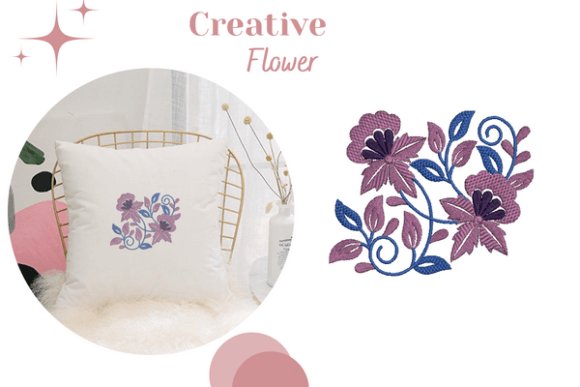
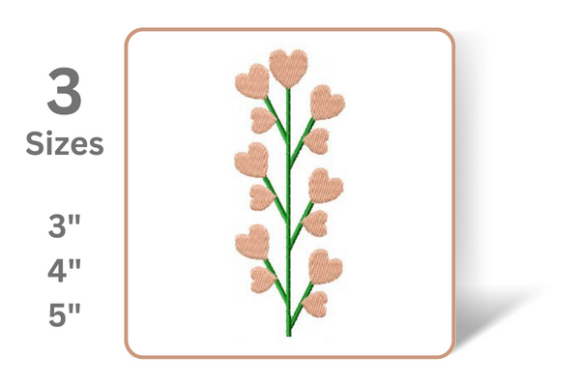
When I opened the Floral Vine embroidery file, what struck me wasn’t flashiness—it was balance. The design flows like a gentle tendril across the hoop: soft curves, open negative space between blossoms, and just enough detail to read clearly at 3–4 inches wide. It doesn’t scream “busy” or “fussy.” Instead, it feels intentional—like something you’d choose for a boutique pillow cover or a linen tea towel meant to be touched, used, and kept. That’s rare. Many floral machine embroidery designs lean too hard into density or symmetry; Floral Vine breathes.
Real Project Test: A Linen Tote Bag for a Local Gift Shop
Last week, I stitched Floral Vine onto a natural linen tote—medium-weight, slightly nubby, no stretch. Used tear-away stabilizer underneath and light cutaway on the back for structure. Stitched at 85% scale (to keep the vine proportionate to the bag’s side panel), and it landed perfectly: elegant but grounded, decorative without overwhelming the fabric’s texture. Customers noticed it immediately—not because it shouted, but because it *belonged*. That’s the quiet strength of this design: it enhances handmade product integrity instead of competing with it.
Where Floral Vine Shines in Practice
- Custom apparel: Works beautifully on relaxed-fit sweatshirts and structured cotton poplin shirts—especially along hems, sleeves, or chest pockets where the vine can follow a natural curve.
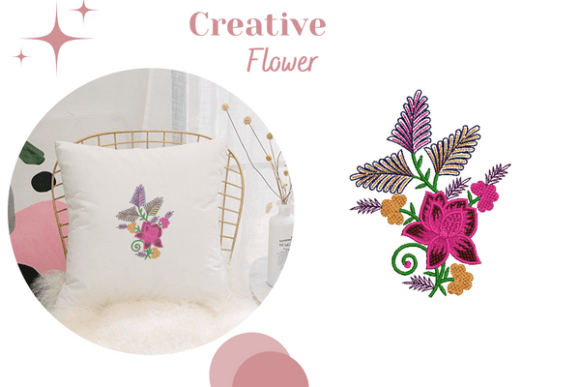
- Home decor: Pillow covers, kitchen towels, and napkin hems gain instant warmth with Floral Vine. Its open layout avoids stiffness, so items stay soft and functional after washing.
- Baby and nursery items: On organic cotton onesies or muslin swaddles, it reads as tender and timeless—not cutesy or dated. Perfect for gender-neutral gifting.
- Holiday and wedding gifts: Stitched in ivory thread on oatmeal-colored linen, it reads quietly luxurious. No glitter, no script—just thoughtful craft.
- Etsy listings and small shop branding: As a digital embroidery file, Floral Vine pairs well with minimalist mockups. It looks equally authentic on a printable mockup for a digital product preview or stitched live on a physical sample.
Where to Proceed Thoughtfully
Floral Vine isn’t a one-size-fits-all solution—and that’s honest design judgment, not a flaw. Here’s where attention pays off:
- Small hoop sizes: The full vine stretches comfortably in a 5x7 hoop, but trimming it down for a 4x4 requires careful cropping—avoid cutting through blossoms or thin stems, which can distort satin stitch integrity.
- Textured or stretchy fabrics: On terry cloth towels or ribbed knit onesies, use medium-weight cutaway stabilizer and reduce top tension slightly. The design’s delicate stems need support—but not so much that they lose their fluid rhythm.
- Dark or dense backgrounds: On navy denim or charcoal fleece, test thread colors first. Pale pinks or mint greens can disappear; deeper mauves or olive tones hold contrast and sophistication.
- Curved surfaces (caps, hats): The vine’s linear flow doesn’t wrap naturally around rounded crowns. Best used on flat panels—like the front of a dad cap or side of a bucket hat.
- Frequent-wash items: While the fill stitch and satin stitch are well-balanced, avoid ultra-thin cotton voile unless backed with strong stabilizer. Thread security matters more than beauty on baby bibs or kids’ aprons.
What This Design Says About Your Work—Before a Single Stitch
Choosing Floral Vine signals intentionality. It tells your customer—or your client—that you value harmony over hype, craftsmanship over clutter. When used on a personalized gift or small shop product, it elevates perceived value without raising price points. People respond to cohesion: the way the vine echoes botanical prints on matching stationery, or how its rhythm matches hand-lettered tags on an Etsy order. That’s brand consistency built quietly, stitch by stitch.
For Etsy sellers and craft fair vendors, Floral Vine also performs well in photos. Its clean silhouette scales clearly in thumbnails, and its organic shape invites lifestyle shots—draped over a ceramic mug, pinned to a corkboard, resting on a sunlit windowsill. That visual flexibility makes it a smart addition to your design assets library.
Designer Notes You’ll Actually Use
- Always test Floral Vine on scrap fabric that matches your project’s weight and weave—not just generic cotton.
- Check stitch density visually: look for any areas where fill stitches crowd too tightly near petal edges (a sign of potential puckering on lightweight fabric).
- Review the design in black-and-white mockups. If it loses legibility or flow without color, reconsider thread choices or placement.
- Compare how it reads on both light and dark fabric backgrounds before finalizing your product listing or client proof.
- Confirm licensing terms before using Floral Vine in commercial embroidery projects or reselling finished items—especially if you’re a small business embroidering for local boutiques or creating digital embroidery files for resale.
- Use proper stabilizer—not just “some.” For structured apparel, combine tear-away with light cutaway. For delicate linens, try soluble on top + cutaway underneath.
Final Thought: A Design That Serves the Maker First
Floral Vine doesn’t demand attention—it earns it. As a machine embroidery design, it respects the material it lives on, the hands that stitch it, and the person who receives it. Whether you’re stitching a single custom sweatshirt for a friend or building a cohesive line of embroidered home goods, this design supports your voice instead of overriding it. That’s the mark of a truly usable, professional-grade embroidery file—not just another floral pattern, but a thoughtful tool for real work.