Creative Flowers: A Designer’s Real-World Embroidery Review
First Impressions: Cheerful, Balanced, and Ready for Purpose
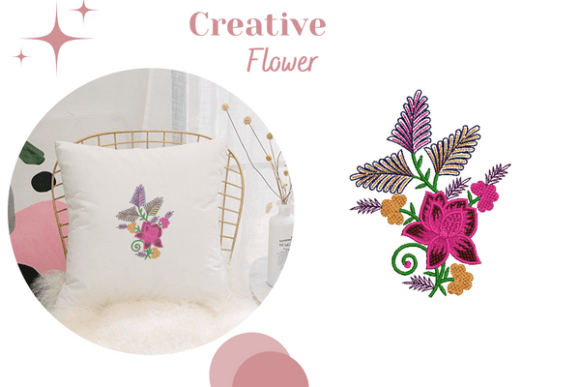
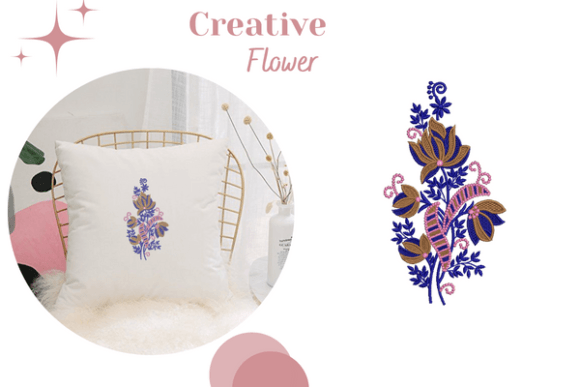
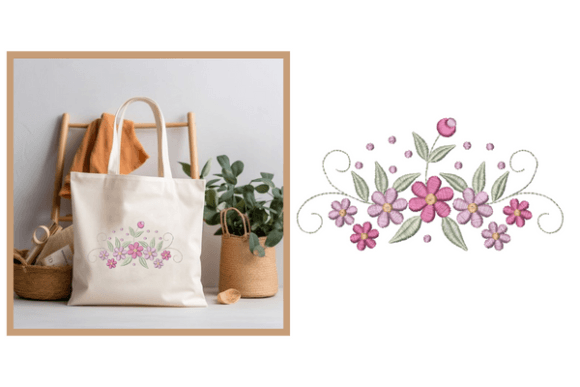
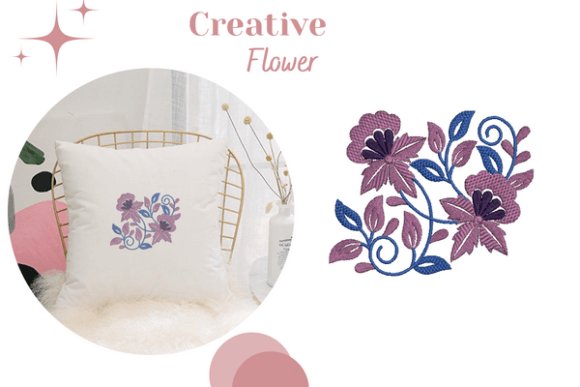
When I opened Creative Flowers for the first time, I didn’t see just another floral motif—I saw a design with quiet confidence. It’s not overly fussy or hyper-realistic, nor is it so minimal it disappears on fabric. The composition feels intentional: layered petals with gentle movement, subtle stem curvature, and a center that invites detail without demanding perfection. It reads as joyful but grounded—ideal for handmade products where warmth and craftsmanship matter more than flash.
A Real Project Test: Custom Embroidered Kitchen Towels for a Local Boutique
Last month, I used Creative Flowers on a batch of 100% cotton tea towels for a small-town kitchen boutique. These weren’t prototypes—they were live inventory, sold in-store and online within 48 hours. What stood out immediately was how well the design translated across varied stitching conditions: medium-weight fabric, standard tear-away stabilizer, and mid-range thread tension. The petals held shape; no puckering, no skipped stitches—even at the outermost curves. Customers commented on how “lively” and “hand-finished” it looked, even though it was machine embroidered. That’s the mark of a well-structured machine embroidery design: it supports the illusion of care, not speed.
Where Creative Flowers Shines (and Where It Asks for Thought)
Creative Flowers excels in projects where charm and clarity go hand-in-hand:
- Custom apparel—especially on sweatshirt embroidery and relaxed-fit tote bag design, where its scale fills space without overwhelming
- Personalized gifts, like baby embroidery on onesies or nursery decor—its soft edges feel gentle and ageless
- Small shop product lines, such as embroidered aprons or pillow covers for craft fairs—where consistent visual identity builds trust
- Holiday embroidery and wedding gifts, when paired with neutral thread colors (ivory, sage, dusty rose) to keep focus on form, not flourish
But—and this is key—it’s not a one-size-fits-all embroidery file. On stretchy fabric like jersey or thin knit t-shirts, I recommend testing stitch density and adding cutaway stabilizer. On dark fabric, avoid light pastel threads unless you’re using a high-contrast underlay—some fill stitch areas can flatten visually without it. And while Creative Flowers works beautifully on curved surfaces like caps, I’d skip the very top crown unless you’ve confirmed hoop size compatibility and adjusted placement for stitch pull.
Design Integrity in Action: Beyond Pretty Stitches
What separates Creative Flowers from decorative filler is how it supports your brand—not just your hoop. When used on an Etsy seller’s line of handmade products, it elevates perceived value without demanding premium pricing. Why? Because it stitches cleanly, reads clearly at 3–4 inches wide, and doesn’t rely on dense satin stitch to hold attention. That means less thread breakage, fewer re-hooping stops, and smoother production flow for your craft business.
It also performs well in digital contexts: as a printable mockup asset, its balanced negative space allows clean layering over product photos. As design assets for social media or packaging, it scales down gracefully—no loss of character at 1.5 inches, which matters for tags, labels, or mini patches.
Practical Notes Every Embroidery Designer Should Check
Before committing Creative Flowers to your next client project or small shop product run, here’s what I always verify:
- Test on scrap fabric first—especially if you’re using textured fabric or blending thread colors
- Review stitch density in the petal centers—dense fill stitch can stiffen lightweight fabrics, so consider reducing density by 5–10% for baby embroidery or delicate apparel
- Confirm hoop size before digitizing or resizing—this design flows best in a 4x4 or larger hoop, and compressing it too far risks losing definition in the stem details
- Inspect small details at actual stitch-out size: check whether fine running stitch accents remain legible on towels versus caps
- Test black-and-white mockups to assess contrast and silhouette strength—Creative Flowers holds up well, but only if thread choice supports it
- Compare light and dark fabric backgrounds—some fill stitch areas benefit from a slight underlay boost on navy or charcoal
- Use proper stabilizer—tear-away for stable cottons, cutaway for knits or lightweight linens
- Confirm licensing before selling finished items or bundling the digital embroidery file—this is non-negotiable for Etsy sellers and commercial embroidery professionals
Final Thought: Not Just a Floral Design—A Reliable Tool
Creative Flowers isn’t “cute.” It’s considered. It’s versatile without being vague. It’s detailed enough to feel special, but open enough to adapt—whether you’re stitching a holiday embroidery gift for a friend or building a cohesive collection of embroidered patch designs for a boutique launch. As a designer who reviews dozens of embroidery files each season, I return to Creative Flowers because it delivers predictability *and* personality. That rare balance makes it less of a decoration—and more of a trusted partner in every embroidery project you take seriously.