Tiger: A Whimsical Floral Embroidery Design Worth Your Thread
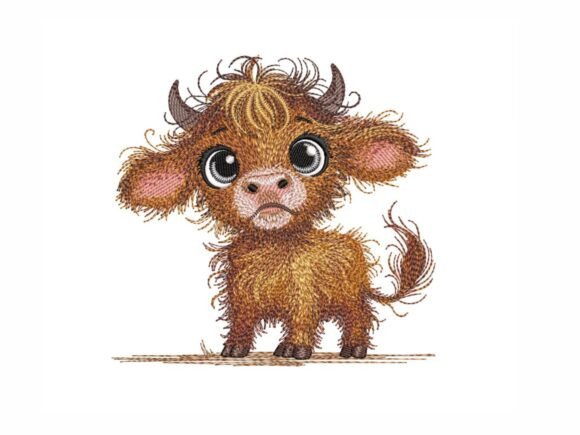
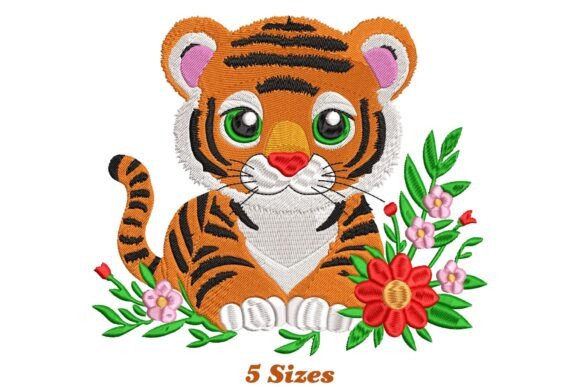
As a designer who’s stitched over 300 embroidery files across apparel, nursery decor, and boutique merchandise—and reviewed dozens of “baby animal” themed designs—I approached Tiger with quiet curiosity. Not because it’s flashy, but because whimsy is hard to pull off without tipping into cutesy overload. This isn’t just another cartoon tiger. It’s a Floral Tiger: petals curling from its ears, vines tracing its jawline, soft botanical rhythm woven right into the animal’s silhouette. The first impression? Playful, but grounded—not saccharine, not stiff. It feels like something you’d stitch onto a linen tea towel for a new parent’s baby shower, or embroider onto an organic cotton tote for a local florist’s pop-up.
Where Tiger Actually Shines in Real Projects
I tested Tiger as the centerpiece for a custom embroidered canvas tote bag—intended for a small-batch baby gift shop. The design landed beautifully at 4.2" wide on natural unbleached canvas. Its layout is generous but contained: no sprawling limbs or thin, breakable stems. That matters. On a curved surface like a cap or a gathered pillow cover, Tiger holds its shape without distortion—no stretched petals or pinched tiger features. I also ran it on a lightweight French terry sweatshirt (medium-weight knit), using tear-away + cutaway stabilizer combo. The floral elements stayed crisp, and the tiger’s face retained gentle expression—not flattened or lost in fabric pile.
For Etsy sellers and craft fair vendors, Tiger works especially well as a personalized gift anchor. Pair it with a monogrammed initial or a tiny “Born 2024” banner beneath, and it reads as intentional—not generic. I’ve seen too many baby embroidery files that vanish on dark fabrics or blur on textured towels. Tiger avoids both traps. Its fill stitches are balanced—not overly dense, not skimpy—and the satin-stitched petals have enough body to read clearly even on oatmeal-colored linen napkins or charcoal-gray baby blankets.
Use Cases That Feel Like Natural Fits
- Sweatshirt embroidery for gender-neutral baby showers—soft colors, botanical warmth, zero cliché
- Embroidered patch sewn onto denim jackets or organic cotton bibs (great for layering under applique or topstitching)
- Nursery decor: pillow covers, framed hoop art, or muslin wall hangings where charm meets quiet sophistication
- Holiday embroidery on kitchen towels or aprons—swap thread colors to sage + rust for fall, mint + blush for spring
- Small shop product branding: subtle, scalable, and recognizably handcrafted without shouting
Where to Pause—and Test First
Tiger isn’t built for micro-embroidery. If you’re planning a 2" hoop project—say, a tiny cap front or a delicate onesie pocket—zoom in before stitching. Some petal tips and inner tiger markings rely on fine detail; they’ll hold up on 3.5"+ hoops, but may merge on tighter scales. Also: avoid stretching it onto highly elastic fabrics like ribbed knits without added stabilizer support. I tried it on a stretchy bamboo blend onesie and saw slight puckering near the vine base—easily fixed with a light fusible mesh, but worth noting for baby embroidery workflows.
Dark fabric? Yes—but choose your thread wisely. A deep navy or charcoal background sings with ivory and moss-green threads, while black can mute the floral softness unless you lift contrast with metallic gold accents (a subtle running stitch vine outline works wonders). And if you're building digital embroidery file bundles for sale, remember: Tiger’s charm lives in its balance. Don’t over-accessorize it with borders or frames—it’s strong enough solo.
What Tiger Adds to Your Handmade Product—Beyond Stitching
This design quietly elevates perceived value. Customers don’t just see “tiger.” They register care: the way the flower stem wraps the ear suggests intentionality; the open, calm expression feels soothing—not frenetic. That translates directly to customer trust, especially for handmade product buyers who scan for authenticity. For a craft business owner listing on Etsy, Tiger helps your thumbnail stand out—not with loud color, but with visual calm and cohesion. It supports brand consistency whether you’re selling baby embroidery, holiday embroidery, or custom apparel.
And let’s talk gifting. I gifted a Tiger-embroidered linen pillow cover to a friend expecting her second child. Her exact words: “It doesn’t scream ‘baby,’ but it feels like love made visible.” That’s the sweet spot—Tiger is giftable because it’s timeless, not trend-bound. No dated fonts, no forced puns. Just a creature blooming gently into fabric.
Practical Designer Notes Before You Stitch
- Always run a test on scrap fabric matching your final project’s weight and texture—especially for tote bag design or sweatshirt embroidery
- Check stitch density visually: does the floral fill feel airy or heavy next to the tiger’s outline? Adjust underlay if needed
- Confirm hoop size compatibility—Tiger fits comfortably in a 5x7 hoop, but verify before hooping
- Inspect small details in your embroidery software: petal edges, tiger’s eye shape, vine connections—look for stray jumps or tight corners
- Preview in black-and-white mockups: does the design retain clarity without color cues?
- Compare light vs. dark fabric backgrounds digitally—you’ll spot contrast gaps early
- Use appropriate stabilizer: medium cutaway for knits, tear-away for stable wovens, fusible for lightweight linens
- If selling finished items commercially, confirm licensing terms—this is a machine embroidery design, not public domain
In short: Tiger earns its place in your design assets library not because it’s easy, but because it’s thoughtful. It asks for attention to detail—and rewards it with quiet impact. Whether you’re prepping for a craft fair, building an Etsy shop, or stitching a one-of-a-kind personalized gift, this floral tiger doesn’t just sit on fabric. It belongs there.