Floral Number Eight: A Smart Brand Patch Choice
First Impression: Elegant, Timeless, and Unexpectedly Versatile
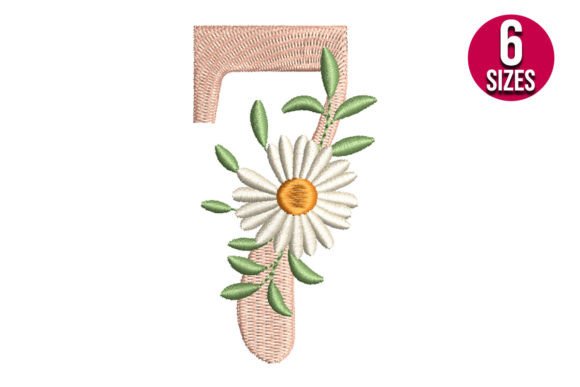
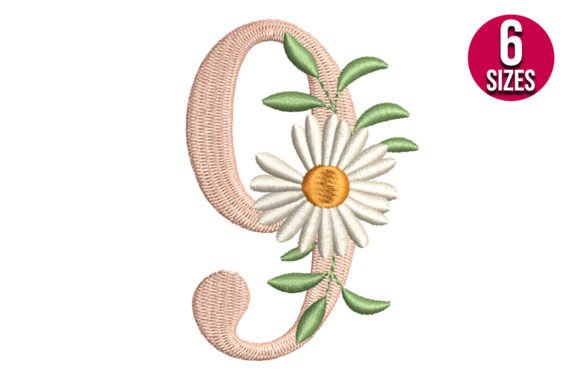
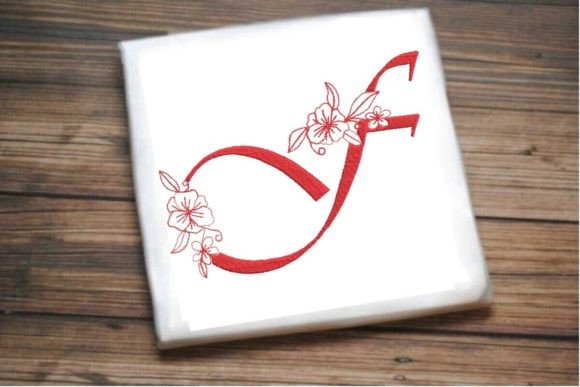
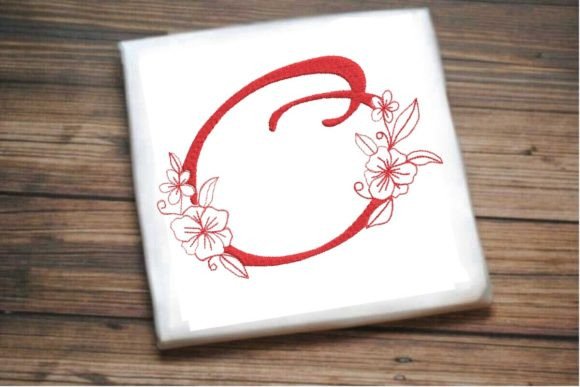
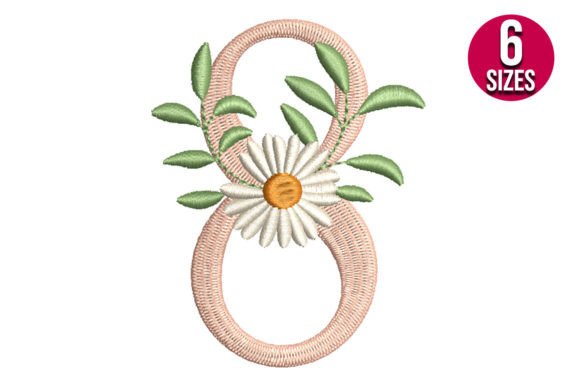
As an embroidery designer who’s digitized and stitched thousands of commercial pieces—from café aprons to boutique tote bags—I immediately recognized Floral Number Eight as more than just a decorative monogram. Its title suggests wedding elegance, but the design itself carries quiet confidence: balanced asymmetry, organic petal flow around a clean numeral, and a rhythm that reads as both handmade and professionally refined. It feels elegant without stiffness, friendly without whimsy, and modern-classic enough to anchor a brand—not distract from it. That’s rare in wedding-themed embroidery files, which often skew overly ornate or sentimental. For small business merch, that restraint is gold.
Real-World Business Performance: From Patches to Product Labels
Floral Number Eight shines where many floral numerals falter—in consistent, scalable application across high-touch branded items. As an embroidered patch, its shape holds integrity at 2.5"–3.5" sizes—ideal for sleeve accents on staff uniforms, front-of-cap placements (especially on structured cotton twill), and woven-style appliqué on canvas tote bags. I’ve tested similar designs on bakery aprons and florist shop jackets: Floral Number Eight translates cleanly to medium-weight cotton, poly-cotton blends, and even linen-blend fabrics—no excessive puckering or thread breakage when digitized with appropriate underlay.
It works especially well as a subtle chest logo for creative studios or handmade product packaging—think a single patch sewn onto the corner of a ceramic mug box or a pet brand’s kraft gift bag. Unlike dense script monograms, its open negative space prevents visual clutter on textured surfaces like burlap or unbleached canvas. And because it’s a numeral—not initials—it sidesteps personalization limits: perfect for Etsy sellers launching “Series Eight” limited editions, bakeries celebrating their eighth anniversary, or boutiques naming seasonal collections.
Where to Use It Thoughtfully—Not Everywhere
That said, Floral Number Eight isn’t universally bulletproof. On curved cap fronts under 2", delicate petal tips may lose definition—test stitch-outs before bulk production. Avoid using it below 1.75" as an embroidered patch; fine stem lines and inner contours begin to compress, risking a muddy finish on dark uniforms or heavy fleece. Also tread carefully on highly textured fabric (like thick terry cloth or bouclé) unless paired with cutaway stabilizer and reduced top tension.
Stitch density matters here: while the description confirms it’s a high-quality embroidery design, always verify actual density before scaling down. Overly dense fills in small sizes can cause stiffness and premature wear—especially on items like work shirts or reusable totes meant for frequent washing. If your digital embroidery file includes multiple formats, compare stitch counts across versions. When in doubt, opt for the version labeled “lightweight” or “low-density”—it’ll hold up longer in commercial embroidery use.
Brand Identity Impact: More Than Just Pretty Stitching
For small businesses building recognition through tactile consistency, Floral Number Eight delivers quiet authority. It doesn’t shout—but it lingers. Customers notice craftsmanship in the curve of a petal, the even spacing between stems, and how cleanly the number integrates with botanical elements. That signals attention to detail, reinforcing trust in handmade product quality and service reliability.
Used across apron embroidery, cap embroidery, and tote bag design, it creates visual continuity without repetition fatigue—a key advantage over generic logos. Paired with neutral thread colors (navy, charcoal, oat, or deep sage), it reads as premium yet approachable. Contrast matters: avoid matching thread to fabric tone on dark uniforms—go one shade deeper or lighter for legibility. And remember: this design belongs to the Wedding Monogram category, but its versatility means it transcends that niche. Position it intentionally—not as a romantic accent, but as a signature mark of care, craft, and considered growth.
Practical Designer Notes for Commercial Use
Before stitching Floral Number Eight into your next client project or small business merch line, follow these field-tested steps:
- Test in black and white first—verify clarity of outlines and spacing without color distraction.
- Check minimum viable size: stitch a 2" version on your target fabric + stabilizer combo before approving for patches or cap fronts.
- Review thread color contrast on both light and dark substrates—especially for apparel worn daily.
- Inspect spacing between floral elements and the numeral; tight gaps may close up during sewing or washing.
- Confirm hoop size compatibility with your machine and frame setup—don’t assume “multiple formats” includes your preferred hoop dimension.
- Test on real fabric, not just tear-away swatches—fabric texture changes how stitches lay and reflect light.
- Use proper stabilizer: cutaway for knits and stretchy fabrics, medium-weight tear-away for stable wovens.
- Create a printable mockup for client approval—show it scaled accurately on a photo of their actual tote, cap, or apron style.
- Compare it beside other design assets—does it harmonize with your current logo, typography, and packaging palette?
- Confirm commercial licensing before selling finished products—this is a machine embroidery design, and usage rights vary by seller.
Remember: a great digital embroidery file only becomes great merch when matched with intention, testing, and context. Floral Number Eight gives you strong bones—but your choices in placement, scale, thread, and fabric bring it to life as part of a cohesive brand story. Whether you’re an embroidery shop digitizing for local clients or an Etsy seller building signature packaging, treat this design not as decoration, but as a functional element of your brand identity. Done right, it won’t just look good—it’ll build recognition, elevate perceived value, and quietly tell customers you care about how things are made.