Delicate Flowers: A Boutique Embroidery Review
First Impressions: Soft, Artistic, and Unmistakably Premium
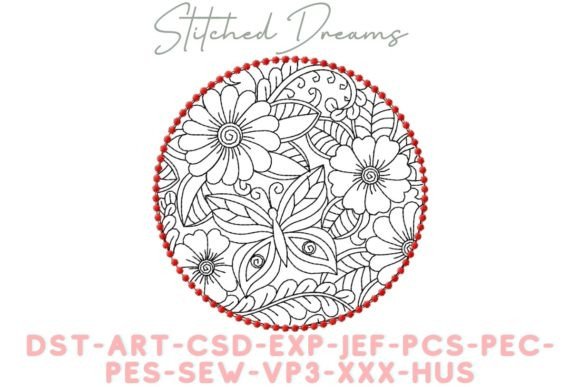
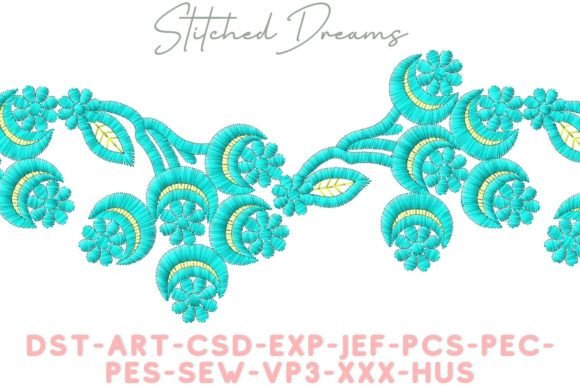
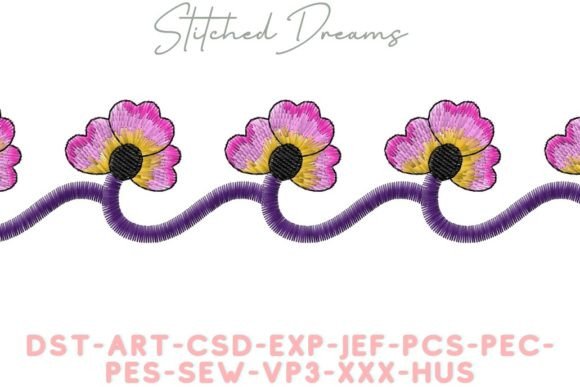
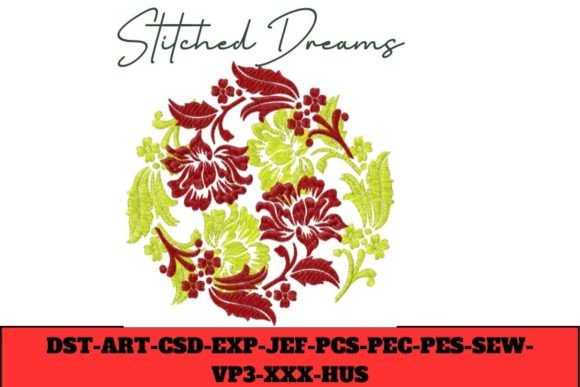
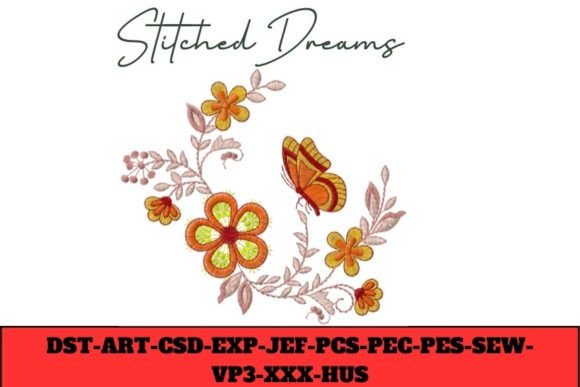
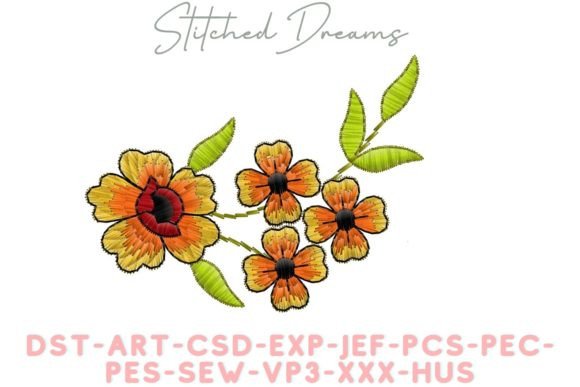
Opening Delicate Flowers for the first time feels like unrolling a botanical sketchbook page — not stiff or overly structured, but fluid, breathing, and intentionally gentle. This Creative Fabrica embroidery design leans into elegance without pretension: slender stems curve with quiet confidence, petals taper into fine satin-stitched edges, and leaves unfurl with subtle texture. It’s not bold or graphic — it’s feminine, classic, and quietly trend-aware, landing somewhere between cottagecore refinement and modern minimalism. The stitch density feels intentional, not overloaded — enough detail to read beautifully at 3–4 inches, but never so dense it risks puckering on lightweight knits. For boutique apparel, that balance is gold.
Sweatshirt & Hoodie Performance: Where Delicate Flowers Truly Shines
On neutral sweatshirts — think heather grey, oatmeal, or soft black — Delicate Flowers becomes an instant signature. Placed chest-left (just above the pocket), it reads as curated, not cluttered. The composition’s vertical flow works beautifully on hoodie fronts, especially when scaled to 3.5" tall. I tested a mockup on an oversized pullover: the design’s organic asymmetry softened the garment’s boxy silhouette instead of fighting it. For sleeve accents? Yes — rotated 90° and resized to 2", it adds quiet sophistication without overwhelming arm movement. On dark garments, contrast matters: a light ecru or pale sage thread lifts the motif without shouting. Avoid stark white on charcoal unless your brand embraces high-contrast minimalism — this design earns its impact through subtlety, not contrast.
Beyond the Chest: Versatile Placement for Boutique Collections
- T-shirts: Works best on relaxed-fit or oversized styles — tight tees distort the delicate stem lines. Center-back placement (scaled to 4.5") creates a refined focal point for lifestyle photography.
- Denim jackets: Excellent on the left chest or back yoke. The natural texture of denim complements the design’s organic rhythm — no need to over-stabilize, but a light tear-away helps crispness.
- Tote bags: Perfect for the lower corner of canvas or cotton twill. Its graceful curve mirrors the bag’s drape, and the leafy elements soften hard edges in product photos.
- Cozy seasonal layers: Think cable-knit cardigans or fleece-lined hoodies — here, Delicate Flowers adds tactile contrast. Just confirm your stabilizer bridges the loft; a medium-weight cutaway prevents shadowing.
Design Integrity Across Fabric Types
Not all fabrics treat delicate motifs equally. On ribbed fabric (like textured sweater knits), test stitch density first — too much fill can flatten ribs and mute dimension. Fleece demands extra care: use a topping (like water-soluble film) to prevent thread sinking, and reduce density slightly if your machine allows. Curved surfaces — think curved pockets or tapered hems — benefit from repositioning the design so stems follow the grain, not fight it. And avoid placing tight clusters of tiny petals directly over high-stretch zones (elbow seams, side panels) unless you’ve tested seam allowance recovery. Delicate Flowers rewards thoughtful placement — it won’t forgive rushed execution.
Brand Value & Customer Perception
This isn’t just decoration — it’s a quiet brand signal. When used consistently across sweatshirts, totes, and denim jackets, Delicate Flowers builds visual cohesion for small shops and Etsy sellers. Customers begin to associate that graceful floral language with quality craftsmanship and intentional design — not mass production. In lifestyle product photos, it draws the eye without competing with model expression or background texture. For printable mockups and social media graphics, its clean outlines and balanced negative space scale cleanly down to Instagram thumbnails or Pinterest pins. That consistency builds buyer trust: they recognize your aesthetic before reading a single word.
Practical Designer Notes Before You Stitch
- Always test on scrap fabric — especially if using stretchy knits or textured weaves. Note how leaves lay flat versus curl at edges.
- Match stabilizer to fabric weight: Light tear-away for t-shirts, medium cutaway for sweatshirts, and topping + cutaway for fleece or napped fabrics.
- Review thread color contrast carefully. Pale threads on light fabric can disappear in natural light — hold samples outdoors before finalizing.
- Confirm hoop size compatibility before digitizing or resizing. Some versions may require a 5x7 hoop minimum — check the Creative Fabrica product details.
- Inspect stitch density visually in your embroidery software. If stems look brittle or petals lack body, adjust underlay or reduce speed rather than increasing density.
- Test on a garment identical to your production piece — fabric lot variations affect tension and appearance more than most designers expect.
- Compare placement options digitally first using layered mockups — chest, sleeve, back — to assess proportion before hooping.
- Verify licensing terms on Creative Fabrica before selling finished apparel. Commercial embroidery rights are essential for small shop product use.
Final Thought: Less Is More, Done Well
Delicate Flowers doesn’t shout. It invites closer looking. That makes it ideal for brands building identity through restraint — boutique labels, handmade product lines, and creative entrepreneurs who understand that embroidery isn’t just embellishment; it’s storytelling in thread. Used thoughtfully on sweatshirts, hoodies, and lifestyle accessories, it elevates custom apparel from “nice” to “noticed,” then to “remembered.” For anyone curating a collection where craftsmanship and quiet elegance matter, this Creative Fabrica embroidery design isn’t just another file — it’s a reliable, versatile, and deeply wearable voice.